


Tel: +86-373-5128330
Fax: +86-373-5128330
WhatsApp:+86 15090482416
WeChat:15090482416
Email:info@cnshfilter.com
Email: 897505662@qq.com
Add: 800 meters west of the intersection of Hongli Avenue and Weiyuan Road, Muye District, Xinxiang City
Professional technical team
The company has a group of design and manufacturing teams with strong technical force, high-quality management personnel, and sophisticated filter processing and testing equipment. Based on the concept of high-quality products, it has continuously introduced internationally advanced technology and experience.
Wide Product Range
The products include various oil filters, hydraulic oil filters, air compressor filters, refrigeration compressor filters, various oil filter elements, which can be interchanged with nearly one hundred international famous brand filter elements.
Company Honor
Products are widely used in petroleum, chemical, refrigeration, aviation, metallurgy, power and other industrial fields, And get high praise from customers.
Sales Network
Most of our products are exported to 26 countries/regions in South America, Southeast Asia and Africa.
Definition of Water Filter
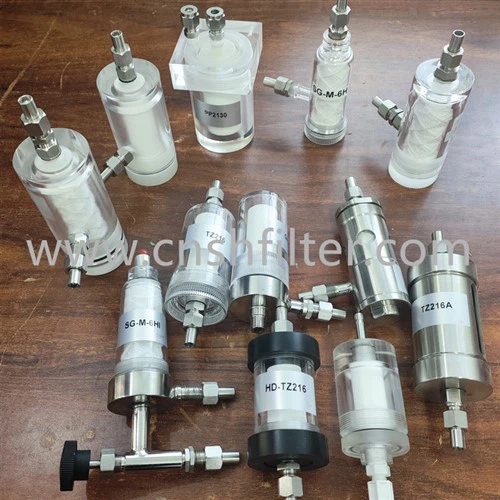
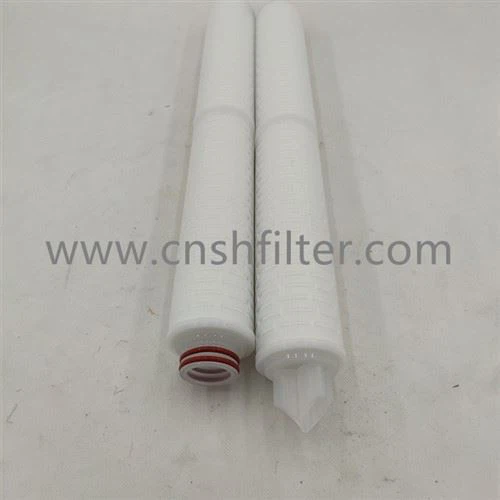
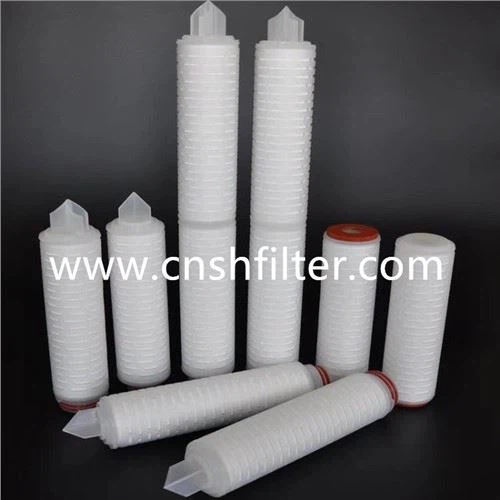
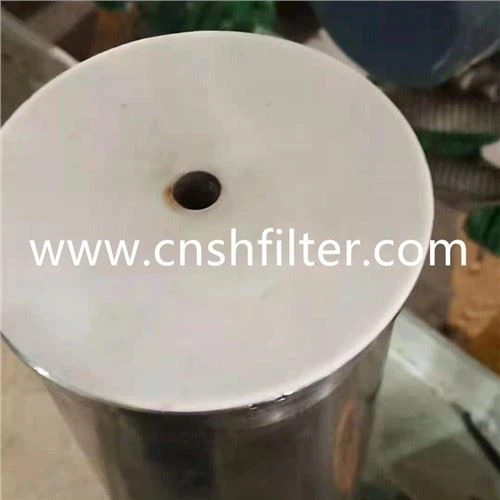
Water filters remove unwanted impurities from water such as sediment, taste and odour, hardness and bacteria to result in better quality water. Water filtering is a method used to filter out undesired chemical compounds, organic and inorganic materials, and biological contaminants from water. The purpose of water filtration is to provide clean drinking water. A water filter removes impurities by lowering contamination of water using a fine physical barrier, a chemical process, or a biological process. Water filters cleanse water to different extents, for purposes such as: Providing agricultural irrigation, accessible drinking water, public and private aquariums, and the safe use of ponds and swimming pools.






Get healthier water
There are a variety of parasites found in drinking water, including microscopic organisms that survive in untreated water. These parasites and microscopic organisms wreak havoc on the digestive and intestinal systems. Water filters can remove these health hazards, thereby reducing the risk of gastrointestinal diseases and improving the water quality you normally consume.


Benefit from less mineral deposits
Limescale is a mineral buildup caused by lime and other minerals in your water. In addition to being unsightly, limescale can accumulate in pipes and appliances. It frequently causes your water to taste unpleasant. A water filter will eliminate many of the problems associated with limescale while also providing good-tasting water.
Have better-tasting drinking-water
One of the many benefits of a home water filter is drinking straight from the tap since the water filter eliminates the risk of harsh chemicals contaminating your drinking water. With better-tasting drinking water, you're more likely to consume water, which keeps your body properly hydrated for optimum function.


Gain longer plumbing service life
A water filter helps to extend the life of your home's plumbing system, as well as water-using appliances like hot water tanks, tankless water heaters, dishwashers, among others. Without a water filter, the minerals, heavy metals, and chemicals present in your home's water can cause long-term damage to your plumbing system.
Have clearer skin
Drinking, showering, and washing clothes in water impacts your skin because the waterborne contaminants can irritate it. Individuals suffering from psoriasis and eczema, particularly small children, are more vulnerable to outbreaks caused by substances found in water. Water filters remove contaminants, resulting in clearer and healthier skin.


Protect your clothing
When doing your laundry, chlorine and other chemicals in the water affect your clothing. As these chemicals attach to the material in the wash, they fade fabric colors and cause clothing fibers to break down over time. Soap scum deposits are left on your clothes, causing an odor that could lead to allergic reactions and skin rashes.

Water Filters work as a physical barrier that can block or trap debris (for example sand) and sometimes bacteria from passing through.
Generally, the speed of the water flow will depend on the size of the gaps in the filter barrier or membrane. A fine filter with the smallest gaps will mean a slower water flow. A clogged filter will also slow the water flow.
Careful consideration should therefore be given to the quantity of water required, and the time it takes to filter, before you buy a Water Filter. Usually, Water Filters with a faster water flow are more expensive.
Cleaning the inside of your water filter system frequently and thoroughly is important to avoid a build-up of minerals, contaminants or dirt in the filter.
• Try not to use any harsh cleaning products and gently rinse the system with warm water. You do not want to add any harmful toxins to your system that could be absorbed into the water that you and your family drink.
• Make sure to clean all elements of the system, preferably on a weekly basis. Ensure you sanitize the different parts of the system when cleaning your water filter, including the water dispenser, line, and cap assembly.
• The water softener that you use may contribute to a build-up of salt in your water filter, meaning you will need to clean your system more often. Newer water softeners are efficient in how salt is used in the water, causing the excess to sometimes form a blockage within the system. When cleaning out your water filter, simply switch off the system, remove the majority of the salt and use hot water to dissolve the blockage.

How to Tell When a Water Filter Needs Replacing
Unless your water filter system comes with a handy replacement date, it can be hard to tell when your water filter needs to be replaced. The amount of usage, the type of filter, and the quality of the water it's filtering will all impact how quickly the filter is used up. However, there is a range of signs that will indicate when your cartridge filter is nearing the end of its useful life.
Different water filter systems use different methods to purify and clean your water from harmful components, and each will have a different shelf life. There is no system that will filter water forever without needing to be replaced. It's also important to note that there's no one-size-fits-all recommendation on when to replace your filter.
If you choose not to replace your water filter once it's expired then you're possibly exposing yourself to additional chemicals, toxins or other harmful contaminants. We've put together a simple guide for you to tell whether this might apply to your cooler or water filter system.
Reduced delivery volume
Often the first sign that indicates your filter is nearing the end of its useable life is a decrease in pressure or flow rate. This comes from the pores in the filters becoming clogged with sediment or having absorbed as many toxins as possible. If you're able to clean your filter then give this a try first. If it doesn't solve the problem then it's time to change your water filter.
Water tastes or smells bad
The second sign that your filter has reached or passed its expiry date is that your water begins to taste or smell bad. When this happens people often complain of their water tasting salty, metallic, or smelling "off". This is a guaranteed sign that you need to replace your water filter.
Strange noises or air bubbles
The third sign is more relevant to those with inline water filtration systems. In this instance, a common problem is caused by cavitation and air bubbles beginning to form in the water lines. You may start to hear hissing, bubbles, or irregular water flows coming from the outlet or tap. This can be a sign of your water filter needing replacement. Try draining your system or flushing it out, otherwise move on to the last step in the troubleshooting process.
Discoloured or cloudy water
The fourth sign that your water filter needs to be replaced is if your water becomes discoloured or cloudy. It may appear to be slightly yellow, brown or white, though it's possible that the water won't taste bad or smell unpleasant. However, it's a sure sign that your water filter is no longer functioning properly and removing impurities.
Expiry date or visual indicators
Finally, some water filters have an expiry date added as a sticker label. If you've regularly used your water filter and it's now past the expiry date, it's time to order a replacement. Similarly, some water filters also have a visual indicator that will tell you when the cartridge has been fully used up. So if you reach this stage in the troubleshooting process then it's definitely time to order yourself a replacement water filter cartridge!
Labels on water filters also typically state the contaminants that are reduced, which can help to guide your choice. Be sure to read labels carefully yourself and verify the manufacturer's claims with an independent source, as not all sales representatives will be familiar with your needs.
The most brands include many different types of water filters. Sales people might be able to help you make an appropriate selection, but remember that they are sometimes paid to sell a particular brand. You should check claims and read the fine print on filter packaging for yourself and ensure that it will work for your purposes before purchasing.
Don't assume that if the water filter removes one contaminant, it also removes others. Water filters that remove chemicals often do not effectively remove germs, and vice versa. Some water treatment devices that remove chemicals, such as reverse osmosis, ion exchange, or distillation systems, might also remove fluoride. Children who drink water with levels of fluoride <0.6 ppm might need a fluoride supplement.
When you made the decision to install a water filter, you did so because you value clean and fresh drinking water. In order to maintain that level of quality, regular maintenance of your filtration system, meaning changing the filter, is necessary.
Consequences of not changing your filter
You may be wondering what happens if you don't change your water filter.
Basically, the quality of the water you drink is going to drop. Water filters are designed to filter contaminants - when they become saturated they can no longer do their job effectively and the water you drink will likely not taste as good.
When you use an old water filter your filtration system will not work appropriately. Thus, your drinking water may be filled with chlorine and sediment. The water from your tap may taste funny or smell bad. Also, a residual type of sludge may leak through the filter into your water, something you would clearly want to avoid.
Another issue lies in your water pressure. When water filters become "filled" water does not flow as freely. Everyday tasks like laundry could take significantly longer. And the wait for the shower would most certainly increase.
When to replace your filter
While each whole house filtration system is different, most require multiple filters: A pre-filter, carbon water filter, and post filter. At times, each of these will need to be replaced. You should review the manual for your system to identify the life of each water filter. It may be wise to order some extra and keep them on hand to simplify the changing process and ensure their availability so you don't get caught off guard.
It is important to understand that appropriate recommended maintenance and water filter changing is important as it not only ensures the quality of the water in your home or business but also keeps system warranties valid. Failure to do these simple things could invalidate your warranty resulting in costly repairs.
It's possible for bacteria, mold, and fungi to grow inside your water filter but instead of replacing your filter every time, you can also clean and reuse it.
Water filters are not meant to last forever, especially the water filters we use in our homes. However, instead of replacing it each time its efficiency decreases, you can also clean and reuse water filters.
Just keep in mind that there are only so many times you can clean and reuse your filter before its efficiency and filtration capacity decrease. After a certain period, you will have to replace it, irrespective of how much and how thoroughly you clean it.
● How to clean a water filter
Depending on the condition of your water, it is possible for bacteria, mold, and even fungi to grow inside your water filter. There are various ways to clean bacteria in water filters, but the most effective method is to soak it in a water and bleach solution. Mix one-part bleach with ten parts of water and soak the filter in this solution for at least an hour. After it's finished soaking, rinse the filter thoroughly with clean water to remove any lingering bleach. If you don't want to use bleach, clean your water filter by soaking it in white vinegar for several hours and then rinsing it thoroughly with clean water.
● When to replace a water filter
To extend the life of your water filter, clean it regularly and replace it every six months to a year or as needed. If your filter is clogged and you cannot clean it, do not continue to use it. A clogged filter can cause contamination and worsen your water quality, so it is crucial to replace it as soon as possible.
Xinxiang Shunhe Filter Equipment Co., Ltd. is a comprehensive enterprise specializing in industrial filters, integrating scientific research, manufacturing and sales. The company has a group of design and manufacturing teams with strong technical force, high-quality management personnel, and sophisticated filter processing and testing equipment. The products include various oil filters, hydraulic oil filters, air compressor filters, refrigeration compressor filters, various oil filter elements, which can be interchanged with nearly one hundred international famous brand filter elements. The company has long been committed to the localization of imported equipment filters. Based on the concept of high-quality products, it has continuously introduced internationally advanced technology and experience. Products are widely used in petroleum, chemical, refrigeration, aviation, metallurgy, power and other industrial fields , And get high praise from customers.
As one of the most professional water filter suppliers in China, we're featured by customized products and good service. Please rest assured to buy high quality water filter for sale here from our factory. Contact us for quotation.
PP Melt Blown Filter Element, Water Sample Filter, Wire Wound Filter Element(0/10)

