


Tel: +86-373-5128330
Fax: +86-373-5128330
WhatsApp:+86 15090482416
WeChat:15090482416
Email:info@cnshfilter.com
Email: 897505662@qq.com
Add: 800 meters west of the intersection of Hongli Avenue and Weiyuan Road, Muye District, Xinxiang City
Professional technical team
The company has a group of design and manufacturing teams with strong technical force, high-quality management personnel, and sophisticated filter processing and testing equipment. Based on the concept of high-quality products, it has continuously introduced internationally advanced technology and experience.
Wide Product Range
The products include various oil filters, hydraulic oil filters, air compressor filters, refrigeration compressor filters, various oil filter elements, which can be interchanged with nearly one hundred international famous brand filter elements.
Company Honor
Products are widely used in petroleum, chemical, refrigeration, aviation, metallurgy, power and other industrial fields, And get high praise from customers.
Sales Network
Most of our products are exported to 26 countries/regions in South America, Southeast Asia and Africa.
Definition of Air Filter
An air filter is essentially a screen that fits into a compartment of the HVAC system to clean the air as it circulates through a home. Air filters are devices used to remove airborne particles, pollutants, and micro-organisms that are health hazards and can damage the ecosystem. In manufacturing, air filters preserve the quality of products and materials and protect critical equipment from damage and product loss. Air filters are an aftermarket product with a longevity that typically spans 1-6 months for disposable filters. Washable air filters can last up to five years.


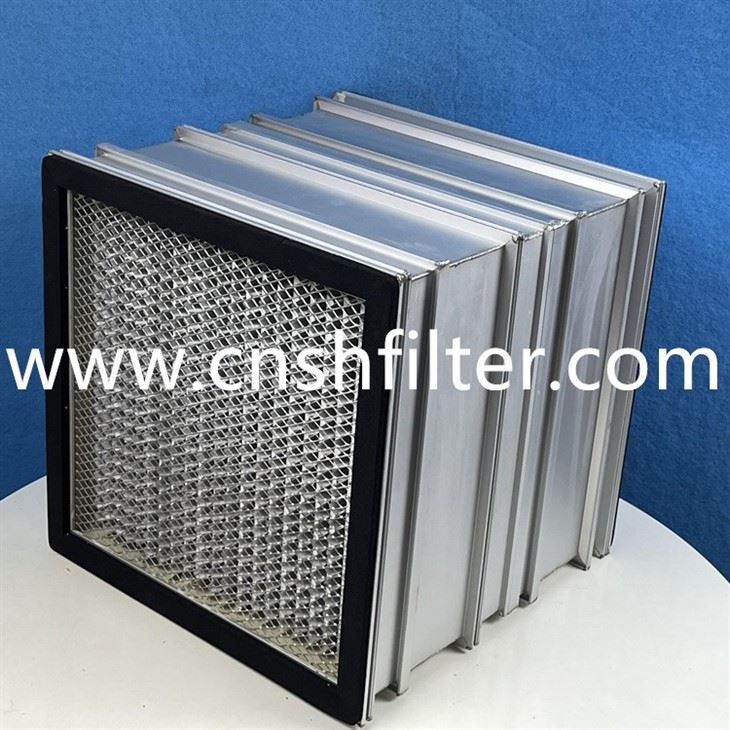
It's recommended that property owners change their air filter between every one to three months depending on the amount of dust and grime in the air. As the seasons change and you transition your Heating/Ventilation/Air Conditioning (HVAC) unit to a comfortable setting, it's a great reminder to change your filter.
Clean air filters improve air quality
According to a study from the environmental protection agency, indoor air quality is actually worse than it is outdoors. The level of cleanliness of an air filter directly affects the quality of air circulating in a property. Filters are designed to clean the air in an hvac system before it makes its way through a home or commercial space. Its fibers trap unwanted particles, such as dirt, dust, pollen, and other elements from being circulated. Without routine replacement, poor air quality can lead to a number of health issues, including asthma, allergies, and other chronic conditions.
New air filters can improve energy efficiency
Another benefit to changing one's air filter is an increase in energy efficiency. If the filter's fibers are blocked by dust and other particles, the hvac system will work harder to push air through the system. This results in higher amounts of energy usage, which leads to an expensive energy bill. By routinely changing the filter, property owners can benefit from lower energy costs and greater efficiency.
Air filters provide better temperature control
While filter replacement can improve energy efficiency, it can also produce a sufficient amount of heat and cool air. Because air is going through the filter with more ease, your hvac unit can provide a more consistent internal temperature inside the property. Furthermore, when combining clean air filters with a smart thermostat, property owners can enjoy even greater temperature control.
Changing air filters can extend hvac lifespan
According to depending on the size of the HVAC system, the average cost to install or replace a unit is $7,000. One of the most common reasons they break down is because of a dirty filter and how it works harder to push air through. To ensure the longevity of an hvac unit, routine air filter replacement is a must to avoid costly repairs and replacements. It's a simple and easy way to lengthen the life of your hvac system.
Changing air filters provides a peace of mind
Replacing the filter is an easy, inexpensive solution to saving money on one's energy bill. But as we've mentioned it's a great way to ensure you're not breathing in harmful bacteria. By routinely replacing the filter in an HVAC unit, property owners can enjoy peace of mind knowing they're safe.

If a primary air filter function is to clean the air, is it necessary to use one in a home with good air quality? Do air filters make a difference if the air is healthy? Do allergen furnace filters work well enough to eliminate the use of an air purifier? The short answer is yes, because air filters don't just clean the air effectively. They also protect your HVAC equipment.
• Air Filters Keep Debris Out of the HVAC Equipment
Air filters keep debris and air particles out of sensitive components. Two places where dust and dirt could accumulate are the duct system and air handler. The debris will build up over time creating a variety of issues, along with polluting the air inside.
• Air Filters Improve Efficiency and Reduce Equipment Wear
Do you like wasting energy and paying more than you need to heat and cool your home? If the answer is no, then you'll want to replace your air filters regularly. With less dirt and debris in the system, HVAC equipment runs more efficiently. The opposite is true if you have no air filter or the air filter is so dirty it's restricting airflow. When that happens parts like the fan motor will have to work harder, which means more electricity is consumed. The fan motor is also more likely to need repair.
Air filters are devices used to remove airborne particles, pollutants, and micro-organisms that are health hazards and can damage the ecosystem. In manufacturing, air filters preserve the quality of products and materials and protect critical equipment from damage and product loss.
Cleanrooms use a combination of high efficiency particulate air (HEPA) filters, which are approximately 100 times more efficient than a typical furnace filter, with methods for controlling air flow to keep particulate counts within acceptable parameters. Exhaust and stack gasses are filtered and cleaned before releasing them into the atmosphere. Air filters are used in home furnaces, offices, laboratories, clinics, hi-tech microelectronics manufacturing, chip and hard-drive production and the aerospace industry.
Air filters effectively remove dust, dirt, smoke, aerosols, odors, viruses, molds, bacteria, toxic gases, and other particles and pollutants that could exist in ambient air. These pollutants cause and aggravate respiratory illnesses, skin disorders, allergies, and other illnesses.
Just like a clean engine air filter will help optimize emissions as well as improve acceleration and fuel economy, a dirty filter can lead to:

Damaged Spark Plugs
Driving with a clogged air filter for too long can cause an excess of unburnt fuel, leading to carbon deposits on your spark plugs. This, in turn, can cause misfires, rough idling, and difficulties starting the engine.
Reduced Engine Performance
The restricted airflow can lessen the engine's power. However, when you start seeing loss of power and sluggish acceleration from a clogged air filter, there's going to be a check engine light already illuminated on the dashboard.


Engine Damage
The worst-case scenario is that a very dirty air filter allows dirt and particulates into the engine, causing substantial wear and tear over time.
Increased Emissions
Due to incomplete combustion from lack of air, your vehicle might release more pollutants, affecting air quality and potentially failing emission tests.
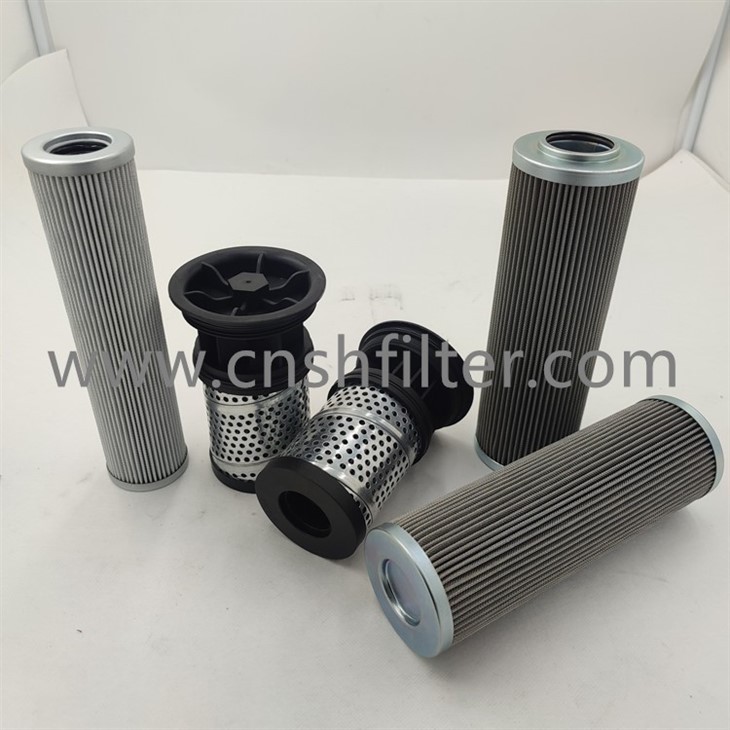
For best results, plan to clean your home's hvac air filters about once a month and replace them about every six months. Be sure to check the manufacturer's instructions to determine the best way to clean your air conditioner or furnace filter, but the steps below will work for most reusable filters.
Turn off the power and locate the filter
Before you begin, turn off your hvac unit to prevent unfiltered air from circulating around your home while cleaning. Locate the vent and use a screwdriver to open the unit. Some systems might include multiple vents containing a filter, so be sure to wash them all. Remove the filter and inspect it for damage. Replace the filter if necessary; otherwise, continue to vacuuming.
Vacuum the air filter
Take the filter outside if possible to avoid stirring up dust inside your home. Use a vacuum with a soft brush attachment to remove debris from the filter. Run the brush across the filter to gently loosen stuck-on buildup.
Wash the filter with vinegar and water
If your air filter requires deeper cleaning, fill your sink or a large bucket with a mixture of equal parts hot water and distilled white vinegar. Let the filter soak for approximately one hour, then rinse with clean water. If the filter is too large to fit inside a sink or bucket, use a garden hose to wash it off, letting the water run through the filter in the opposite direction of the airflow. Use a low-pressure setting to avoid damaging the filter.
Let dry and replace
Let the filter air-dry entirely before replacing it. This helps prevent mold growth within your hvac system. Reload the filter inside the unit, ensuring it's facing the right direction for proper airflow. Most filters feature arrow markings that indicate the correct placement; these arrows should typically point toward the furnace in the direction of the airflow. Replace the vents and turn the unit back on.
Replace air filters when needed
Cleaning your home's air filters will only get you so far. If the filter is excessively dirty, torn, or otherwise damaged, it's time to replace it. You should also note that disposable air filters are generally not meant to be cleaned and should be replaced when they become dirty. Cleaning works best with reusable filters, like this washable electrostatic furnace and ac filter.
Air filters work by drawing unclean surrounding air to pass through their filter medium with fine openings. The unwanted particles larger than those openings are trapped inside the filter medium and are separated from the passing air. The air leaves the filter with significantly reduced particle content.
Air filters increase their filtration efficiency as particles form a layer in the upstream side of the filter media; this aids in screening other particles. The filter medium is replaced regularly (or cleaned) to prevent it from clogging or blinding and restricting airflow.
Air filters are used to improve your air quality by collecting and capturing harmful contaminants. Using air filters properly will reduce issues with allergies and asthma and can even improve your concentration, productivity, and overall happiness.
Use the Right Air Filters
The stronger the air filter - the longer it will last.
Fiberglass filters are designed to remove larger particulate from the air, such as lint and pet hair. Fiberglass air filters have a low resistance to airflow of air, which makes them popular in residential homes.
Pleated air filters are built with the filter media folded into a 1" frame to provide more surface area. They can use high-efficiency media without negatively affecting the resistance to airflow.
If you're looking for a step up from a basic fiberglass filter, pleated air filters are an excellent choice and offer more protection against dust, bacteria, and other small contaminants.
Switch To Pleated Filters
Fiberglass air filters will get the job done, but in most cases, pleated air filters are much better. Pleated air filters capture smaller particles and are less likely to clog within a short period of time.
Pleated filters may also be biodegradable or recyclable, making them more sustainable and because they have deeper pleats, they offer more surface area to filter airborne particulate.
Change Your Filters Regularly
It's recommended that residential air filters are changed every 30 days when using regular fiberglass filters. Pleated air filters last 3 months before needing to be replaced. When air filters go unchanged, dust, pollen, dirt, and other contaminants accumulate and decrease the filter efficiency.
It's also important to consider air filter changes based on your household. Is it a vacation home? Do you live in a highly polluted area? Does anyone suffer from allergies or asthma? Do you have any pets? Do younger children live in your home?
These considerations will determine if you need to change your air filters more frequently or less frequently.
Use Your HVAC System Based on Weather
Anytime your HVAC system is operating, the air filters are working to capture and remove harmful particulate. If you live in a warm temperature region where you only use your AC or furnace for a few hours a day or a handful of times within a season - your air filter will last longer.
If you're running your HVAC system regularly, you will also need to change your filters regularly, this is because there is more air being drawn through the filter and it will clog more quickly.
Regarding filtration, both dry and oiled air filters offer excellent protection against dirt, dust, and other contaminants. However, dry filters tend to have a slight advantage in overly dusty, sandy, or silty conditions.
Due to their low-micron media, dry air filters filter approximately 99 percent of contaminants, vs. oiled air filter's 98 percent; while a small advantage, an advantage nonetheless. Additionally, oil filters often clog up quicker in filthy and dusty environments due to their use of tacky filter oil–another point for dry filters.
Regarding airflow, oiled air filters tend to take the victory. With less-porous media designed exclusively for performance, oiled air filters typically net slight gains over traditional dry filters. In high-output, heavily-modified applications, you'll likely be better off with an oiled engine air filter.
Regarding cost-effectiveness, dry air filters have a lower initial cost; however, they typically require replacements at 12,000 to 15,000-mile intervals, compared to the indefinite lifespan of washable and reusable oiled air filters. In the long run, reusable air filters can save you some money; however, remember that most reusable air filters require you to purchase additional filter recharge/cleaning kits.
Ultimately, both styles of air filters are extremely functional and offer excellent filtration and performance. Unless you're operating the vehicle in an extremely dirty environment or attempting to squeeze as much power as physically possible from the powertrain, either type will be more than satisfactory.
Xinxiang Shunhe Filter Equipment Co., Ltd. is a comprehensive enterprise specializing in industrial filters, integrating scientific research, manufacturing and sales. The company has a group of design and manufacturing teams with strong technical force, high-quality management personnel, and sophisticated filter processing and testing equipment. The products include various oil filters, hydraulic oil filters, air compressor filters, refrigeration compressor filters, various oil filter elements, which can be interchanged with nearly one hundred international famous brand filter elements. The company has long been committed to the localization of imported equipment filters. Based on the concept of high-quality products, it has continuously introduced internationally advanced technology and experience. Products are widely used in petroleum, chemical, refrigeration, aviation, metallurgy, power and other industrial fields , And get high praise from customers.
As one of the most professional air filter suppliers in China, we're featured by customized products and good service. Please rest assured to buy high quality air filter for sale here from our factory. Contact us for quotation.
Replacement For HANKINSON Filers, Replacement Filter for Domnick Hunter, Replacement For DOMNICK HUNTER Filter(0/10)

